
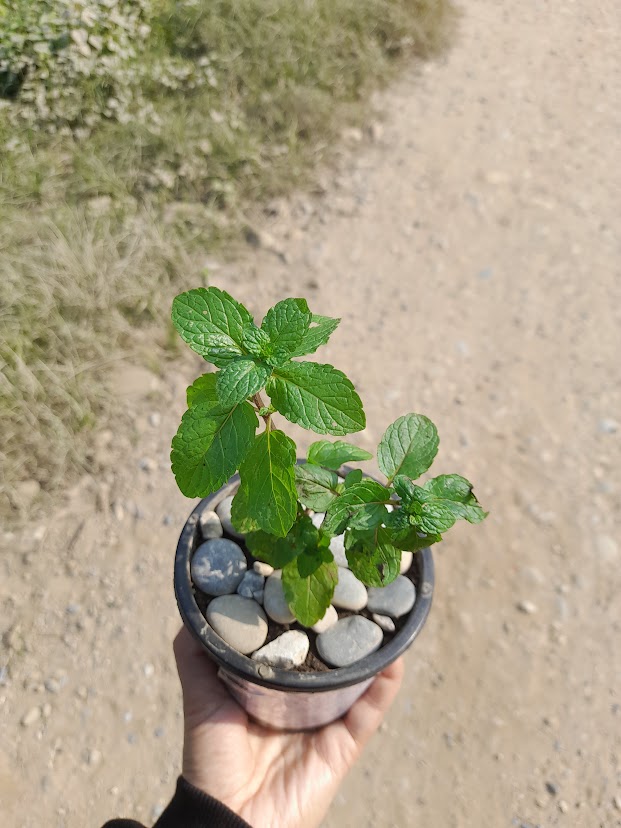
वनस्पति बिज्ञानमा सबैलाई वनस्पति ल्याउन लगाइको थियो र मैले चाही पुदिना लिएर गएको थिए । पुदिना एक उपयोगी बिरुवा हो जसले हामीलाई सूक्ष्म पोषण प्राप्त गर्न मद्दत गर्दछ। पुदिनालाई धेरै स्वास्थ्य लाभका साथ धेरै उपयोगी बोटको रूपमा वर्णन गर्न सकिन्छ।
पुदिना Lamiacea परिवार अन्तर्गत पर्दछ र माथी देखिएको पुदिना Mentha spicata प्रजातीमा पर्दछ।
इउरोपमा उत्पत्ती भएर जापान, चीन, ताइवान, ब्राजील, अर्जेन्टिना, अस्ट्रिया, अंगोला, उत्तर अमेरिका, भियतनाम, थाईल्यान्ड, दक्षिण अफ्रीका, भारत, पाकिस्तान र नेपाल सम्मै फैलिएको छ।
पुदिना करिब १० देखि ६० से.मी. अग्लो (कुनै–कुनै १ मिटर सम्म) हुने गर्दछ । यो वार्षिक वा बारहमासी वनस्पति हो। पुदिना जमिनमुनिको सतहको मुनि सोझो भएर बढछ जसलाई सकर (Sucker) भनिन्छ । यही जराबाट विरुवा उम्रन्छ । विरुवा उम्रे पछि झागिन्छ र फैलिन्छ। सम्पूर्ण बोट नरम टोमेन्टम (छोटो, ऊनी जस्तै कपाल) द्वारा कभर गरिएको हुन्छ र ग्रन्थी वा गैर-ग्रंथियुक्त कपालहरू हुन्छन्। पुदिनाको पातहरु सरल, गाढा हरियो, दाँतेदार, फराकिलो खालको हुन्छ। यसका फूलहरु पातको कापमा काण्डको माथिल्लो भागमा फूल्दछन्। फूलहरु स–साना प्याजी (pale purple) रङ्गका हुन्छन् ।
पुदिना खेतीका लागि प्रसस्त मात्रामा प्राङ्गारिक मल मिसिएको बलौट दोमट माटो उपयुक्त हुन्छ ।
यो विरुवालाई गर्मी हावापानीमा राम्रो हुने भएको हुनाले यसको खेती तराई तथा भित्री मधेशमा उपयुक्त मानिन्छ । यसको खेती समुद्री सतह देखि २००० फिट सम्मको उचाईमा गर्न सकिन्छ । भारतको जम्मु कश्मिरमा यसको खेती ९००० फिट सम्म पनि गर्ने गरिएको पाइन्छ । यसको खेती गर्नका लागि चिस्यान रहि रहने तर पानी नजम्ने खालको माटो आवश्यक पर्ने भएको हुनाले सिंचाईको सुविधायुक्त स्थानमा मात्र यसको खेती गर्नु पर्दछ। साथै पानीको निकास भएको पानी नजम्ने माटो आवश्यक पर्दछ। कडा प्रकारको माटोमा यसको खेती गर्न उपुक्त हुँदैन ।
खेती तथा प्रसारण :
पुदिनालाई सकरबाट नै खेती प्रसारण गर्ने सकिन्छ।
यसको खेती गर्नका लागि निम्न कुराहरुमा ध्यान दिनु पर्दछ ।
जग्गा तयारी :
जमिनलाई गहिरो गरी खनजोत गर्नु पर्दछ । खनजोत गर्दा २५ देखि ३० से.मी. सम्मको गहराई कायम होस भन्ने कुरा ख्याल गर्नु पर्दछ । पटक–पटक गरि डल्ला राम्रो फुट्न सकोस भनि जोत्नु पर्दछ । जमिनमा भएका अनावश्यक झारपात, ठुटा आदिलाई राम्रोसंग सफा गर्नु आवश्यक छ । यदि उक्त जग्गामा रोग किराको प्रकोप बढी छ भने एन्डीन (Endrin) नामक औषधीको धुलो मिलाएर राखेमा यसले सकरलाई हानि नोक्सानी हुनबाट बचाउँछ ।
रोपण :
यसलाई नर्सरीको आवश्यकता पर्दैन् । जमिन मुनी रहेको सेतो जरा र जमिन माथि फैलिने लहराहरुलाई अर्थात सकर नै विरुवा वा बेर्नाको रुपमा प्रयोग गरि रोप्न सकिन्छ । यी विजनहरु पुष÷माघमा निकालिन्छ । यी सकरहरु १ वर्ष देखि २ वर्ष पुरानो रोग नलागेको स्वस्थ्य लहरा वा सकर छनौट गरि निकाल्नु पर्दछ।
यी जराहरुलाई एक ठाउंमा जम्मा पारी तयारी जग्गामा करिब १० देखि १५ से.मी.को लम्बाईमा काट्नु पर्दछ । काट्दा विचार गर्नु पर्ने कुरा एक टुक्रामा करिब ४–५ वटा आंख्ला वा गाठो हुनु आवश्यक छ । यी सकरहरुलाई तयारी जमिनमा १५ से.मी. को गहराई र १० से.मी. जतिको फराकिलो गरि लाईनमा तान्नु पर्दछ ।

एक लाइन देखि अर्को लाइनको दुरी करिब ४५ देखि ६० से.मी. राख्नु पर्दछ । गहिरो लाईनमा टुक्रा पारेको सकरलाई सुताएर रोप्नु पर्दछ । एक टुक्रा सकिना साथ अर्को टुक्रा रोपी हाल्नु पर्दछ । यसरी रोप्दा सकर एक आपसमा खटिनु हुँदैन् । यसरी रोपी सकेपछि हलुका गरी माटोले पुर्नु पर्दछ । रोपी सकेपछि हलुका संग सिंचाई गर्नु पर्दछ ।

मल प्रयोग :
पुदिना खेतीका लागि कम्पोष्ट मल राम्रो हुने भएता पनि नाइट्रोजन मलको आवश्यकता बढी हुन्छ । नाइट्रोजनको प्रयोगले बाली राम्रोसंग फष्टाउने गर्दछ । यसको राम्रो उत्पादन लिनका लागि प्रति हेक्टर ८० देखि १२० के.जी. नाइट्रोजन, ५० के.जी. फास्फोर र ४० के.जी. पोटास मल राख्नु पर्दछ । जग्गा तयारीको बेला तीन भागको एक भाग प्रति बाली संकलन पश्चात एक एक भाग नाइट्रोजन मल बालीमा राख्नु पर्दछ । तर फास्फोर र पोटास भने जग्गा तयारीको बेलामा एकै पटक राख्नुपर्छ ।

रासायनिक मलको प्रयोग भन्दा जैविक मल, गाईवस्तुको मल वा कम्पोष्ट मलको प्रयोगले उत्पादन र जग्गाको उर्वराशक्ति राम्रो हुन्छ । कम्पोष्ट मलको प्रयोग गरेको खण्डमा नाइट्रोजन मलको प्रयोग आधा परिमाण कम गरे पुग्छ । मल हालेपछि तुरुन्तै सिंचाई गर्न भुल्नु हुँदैन ।

गोडमेल:
विरुवा रोपण गरे पछि गोडमेल अति जरुरी कुरा हो । तसर्थ विरुवा रोपेको वर्षको समयमा बढी झारपात उम्रने हुनाले गोडमेलको आवश्यकता बढी हुन्छ । दोस्रो र तेस्रो वर्ष गोडमेल कम हुँदै जान्छ । विरुवा फैलिएर बाक्लो भएपछि झारपात कम आउंछ । गोडमेल गरि सकेपछि प्रत्येक पटक नाइट्रोजन मलले टप ड्रेसिङ्ग गर्नु पर्दछ र सिंचाई गरि दिनु पर्दछ । तर जैविक खेती गर्ने हो भने रासायनिक मल प्रयोग गर्नु हुँदैन ।

सिंचाई :
पुदिना खेतीका लागि सिंचाई अति जरुरी छ । किन भने मेन्था अत्याधिक मात्रामा पानी चाहिने वनस्पति हो । तर यसमा पानीको निकास हुनु पर्दछ जम्ने हुनुहुदैन् । जमिनमा चिस्यान सधैं कायम रहि रहेमा विरुवाको वृद्धि विकास राम्रो हुन्छ ।

विरुवा चांडै बढ्ने हुनाले पानी बाफिएर जाने क्रम धेरै हुन्छ । तसर्थ सुख्खा समय (चैत्र–वैशाख) मा प्रत्येक २ हप्तामा १ पटक पूर्ण रुपमा सिंचाई गर्नु पर्दछ । वर्षाको समयमा सिंचाईको आवश्यकता नहुन सक्छ  हिउंदको समयमा एक दुई पटक सिंचाई गरि दिनाले जरा र लहराको वृद्धि विकासमा सहयोग पु¥याउंछ । विरुवा सारे पछि र बाली काटी सकेपछि प्रसस्त मात्रामा सिंचाई गर्नु पर्दछ । यसले गर्दा फेरी विरुवा धेरै बलिया र राम्रा हुने गर्दछन् । यसका साथै जमिन मुनि रहने सकरहरु पनि धेरै मात्रामा फैलिने र सप्रिने गर्दछ ।

बाली संकलन तथा प्रशोधन :
बिरुवा लगाएको चार महिनामा प्रथम पटक बाली संकलन गर्न सकिन्छ ।  बाली संकलन भनेको पुरै बिरुवा अर्थात डांठ पात समेतलाई काटेर संकलन गर्नु हो।यसबाट तेल निकाल्ने भएको हुनाले यसको बाली संकलन गर्नका लागि धेरै कुराहरुमा ध्यान पु¥याउनु पर्दछ । बिरुवाहरु जेष्ठ महिनामा फूल राम्ररी फूल्न थाले पछि र बोटको तल्लो भागमा एक दुई पातहरु पहेंलो हुँदा बाली काटेर संकलन गर्नु पर्दछ । बाली लिने यो उत्तम समय हो ।

बाली संकलन गर्दा घाम लागेको बेला ३–४ अंगुल बोट छोडेर काट्नु पर्दछ । यसरी जेष्ठ-असारमा प्रथम पटक र त्यसपछि मलजल र गोडमेल गरेर पुनः असोज-कार्तिक तिर दोस्रो पटक बाली संकलन गरिन्छ । यसरी वर्षको दुई पटक बाली संकलन गर्न सकिन्छ ।

ताजा काटिएको पुदिनालाई डिस्टिलेशन प्लान्टमा लगि प्रशोधन गरि तेल निकालिन्छ । यदि नजिकमा प्रशोधन प्लान्ट छैन भने काटिएका बालीलाई स–साना मुठा पारी छांयामा वा सेड हाउसमा सुकाउनु पर्दछ । यदि राम्रो तरिकाले छांयामा सुकाएको खण्डमा तेलको मात्रा पनि नघट्ने तेलको गुणस्तर पनि राम्रो हुन्छ । तर सुकाउने बेला पात धुलो पर्ने गरि सुकाउनु हुँदैन् ।

बाली संकलन गरि सकेपछि जति सक्दो छिटो डिस्टिलेसनमा लगेर तेल निकाल्नुनै उत्तम हुन्छ । पुदिना बहुवर्षिया बाली हो । यसको खेती पहिलो वर्षमा भन्दा दोस्रो र तेस्रो वर्ष अझ राम्रो उत्पादन दिने हुन्छ । तेस्रो वर्ष पछि यसको उत्पादन न्यून हुँदै जाने भएकोले मेन्था रोपे जग्गा खाली गरि अन्य प्लटमा नयाँ बिरुवा रोपण गर्नु राम्रो हुन्छ ।

पुदिना बाली राम्रो संग खेती, संकलन र प्रशोधन गरेमा एक हेक्टर जग्गामा ८०–१०० कि.ग्रा. सम्म तेल उत्पादन गर्न सकिन्छ । उत्पादित पुदिना तेललाई स्टेनलेस स्टिल वा शिशाको भांडामा राम्रो संग बन्द गरेर राख्नु पर्दछ । तेल भांडामा राख्दा टन्न न भरि ९० प्रतिशत जति तेल राखि प्याकिङ्ग गर्नु पर्दछ ।

पुदिना खेतीमा पनि अन्य बालीमा जस्तै रोग लाग्ने सम्भावना रहन्छ जस्तै धुले रोग,खैरे रोग,जरा कुहिने रोगहरु पर्दछ ।

यी रोगका साथ साथै पात बढार्ने किरा,फौजी किरा, झुसिल किरा आदि किरा ट्याङग्राहरुले पनि असर गर्न सक्छन् ।
पुदिनामा हुने रासायनिक तत्वहरु: विशेषगरि पुदिनामा मेन्थोल(४०.७%) र मेन्थोन(२३.४) बढी मात्रामा पाइन्छ। पुदिनाबाट निकालिने मेन्थोल रुघाखोकीको औषधिमा पाइने एउटा सामन्य संघटक हो। त्यसैगरी लिनाइल एसिटेट( Linayl acetate), पाइपरटोन (pipertone), पिनोन( pinone), पुलिगोन(pulegone) जस्ता महत्त्वपूर्ण तत्वहरु पुदिनामा पाइन्छन् । पुदिनामा प्रसस्त मात्रामा भिटामिन ए र भिटामिन सि पाइन्छ ।
उपयोगिता:
पुदिनाको तेल बाफ लिनको लागि प्रयोग गरिन्छ ।
विभिन्न औषधीहरु बनाउन प्रयोग गरिन्छ ।
पुदिना लोकप्रिय स्वाद एजेन्टको रूपमा खाना पकाउन प्रयोग गरिन्छ ।
पुदिनाले अल्सरको उपचार गर्दछ ।
मालिस गर्नका लागि, दुख्दा लगाउने मलम, खोकीको सिरफ, मुख गन्हाउनेको लागि औषधी, भिक्स, दन्तमञ्जन लगायतका औषधी बनाउनका साथ साथै सौन्दर्यका साधन बनाउन प्रयोग गरिन्छ । खाद्य वस्तुहरु चुइगम, मिठाई, जाममा सुगन्ध प्रयोग गरिन्छ ।
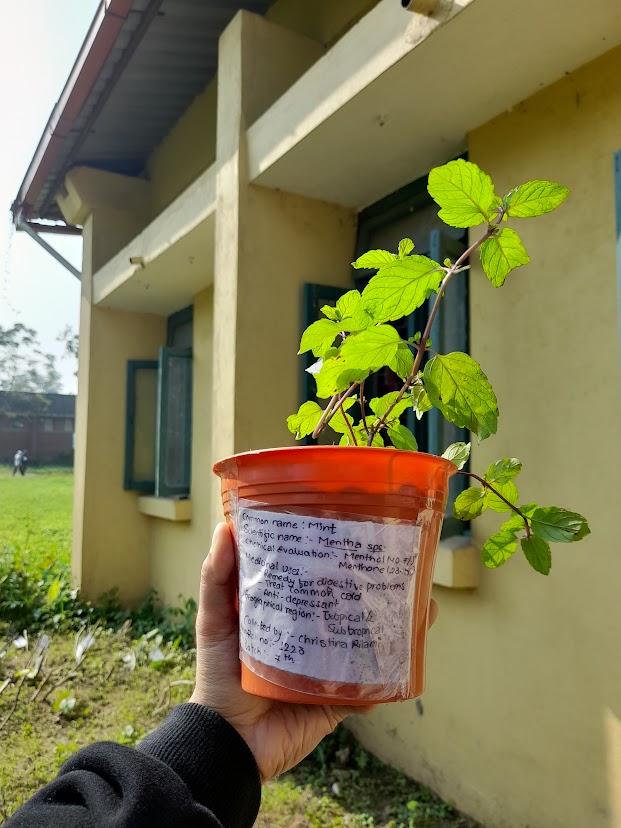
विद्यार्थीको नाम: कृष्टिना रिलामी रोल नम्बर : ४४ सेक्सन : ए ७औं ब्याच ए.एफ.यु. रामपुर

 Christina's Blog